
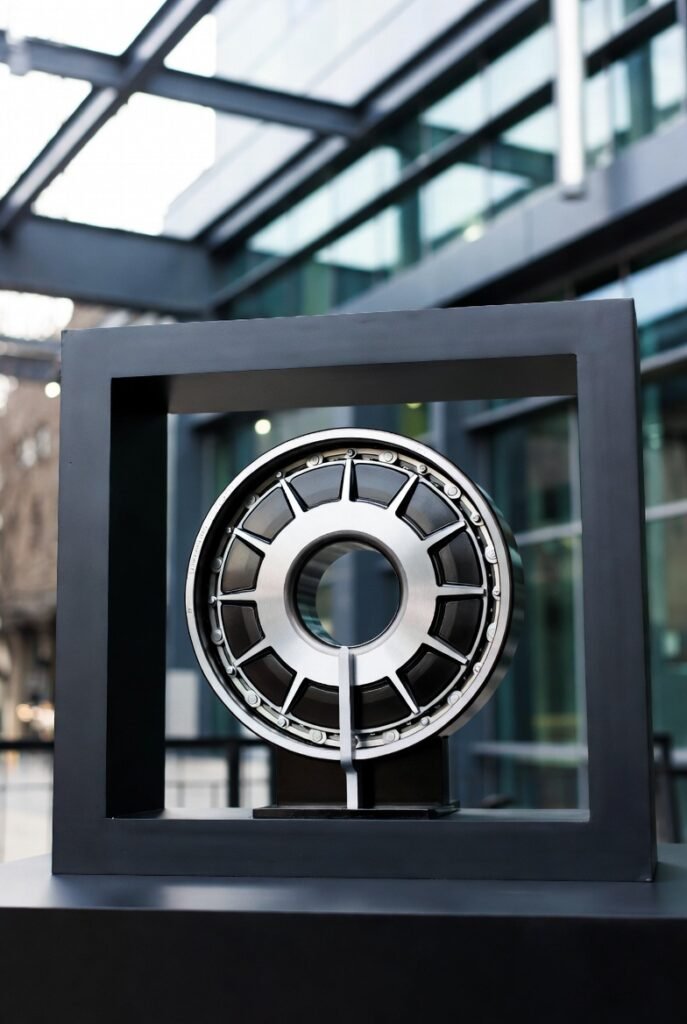
Bearings may be small, but they are the backbone of modern mechanical systems. From cars and airplanes to household appliances and industrial machinery, bearings ensure smooth, efficient, and reliable motion. Understanding their types, uses, and selection criteria is crucial for engineers, manufacturers, and even DIY enthusiasts.
A bearing is a mechanical element designed to reduce friction between moving parts, support loads, and guide motion. They allow components to rotate or move linearly with minimal wear, extending the lifespan of equipment and improving performance
Bearings are everywhere—any system with moving parts likely relies on them
Selecting the right bearing depends on several factors:
👉 Pro Tip: Always consider both the mechanical requirements and the operating environment. For example, roller bearings excel in heavy-load industrial settings, while ball bearings are ideal for versatile, everyday applications
Integer posuere erat a ante venenatis dapibus posuere velit aliquet sites ulla vitae elit libero