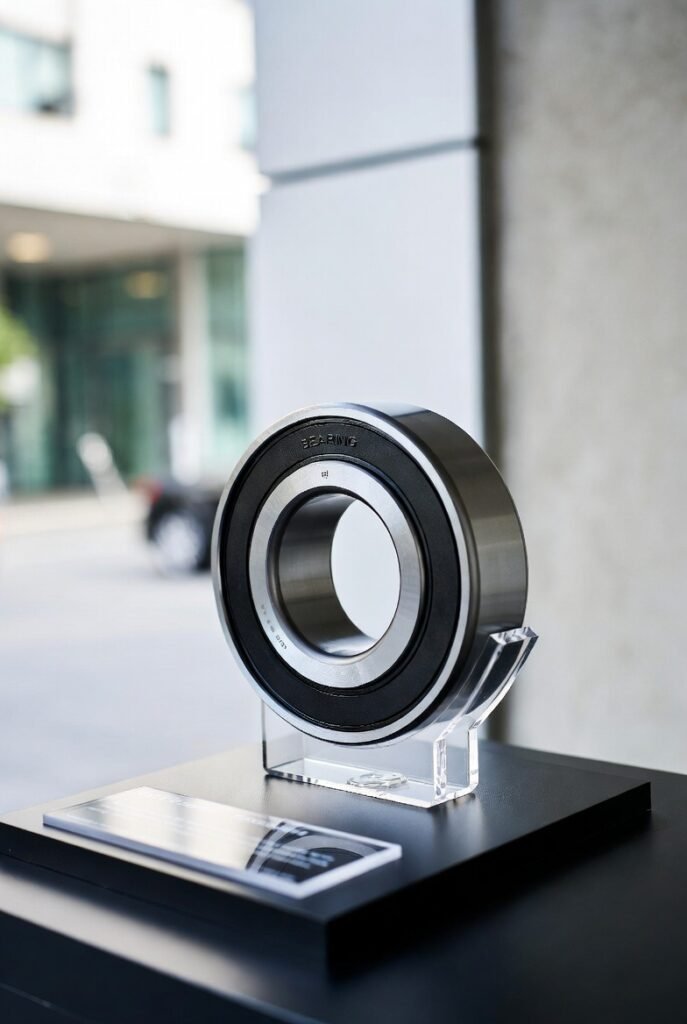
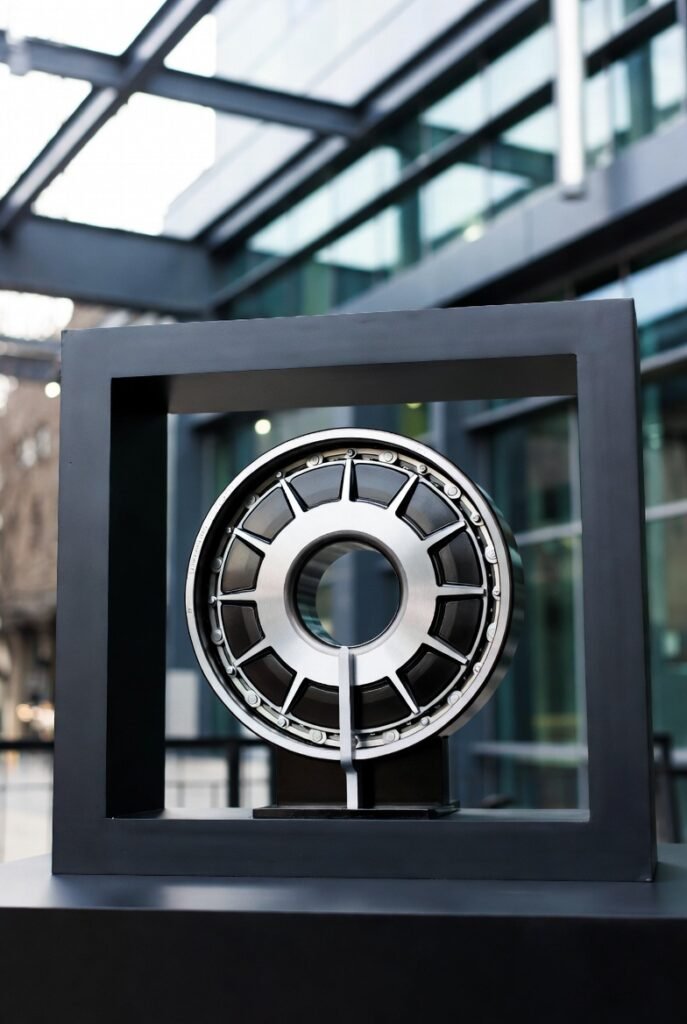
Bearings are critical components in mechanical systems, ensuring smooth motion and reducing friction. However, improper installation or removal can lead to premature failure, costly downtime, and safety risks. This guide walks you through the safe, step-by-step process of installing and removing bearings, whether in industrial machinery, automotive systems, or home equipment.
🔧 Preparation: Tools & Safety First
Before starting, ensure you have:
Proper personal protective equipment (gloves, safety glasses)
Bearing puller or hydraulic press
Clean workspace free of dust and debris
Correct lubricant and seals
Manufacturer’s specifications for the bearing
⚙️ Step-by-Step: Installing Bearings
1. Inspect the Components
Check the shaft and housing for wear, corrosion, or burrs.
Clean surfaces thoroughly to prevent contamination.
2. Choose the Right Bearing
Match the bearing type to load, speed, and environment requirements.
Verify dimensions against manufacturer guidelines.
3. Apply Lubrication
Use the recommended grease or oil.
Avoid over-lubrication, which can cause overheating.
4. Align the Bearing
Position the bearing squarely with the shaft or housing.
Misalignment can cause uneven wear and vibration.
5. Press or Heat for Installation
Cold method: Use a press to apply even force on the bearing’s inner ring.
Hot method: Heat the bearing in an induction heater (not open flame) to expand it, then slide it onto the shaft.
6. Secure and Test
Ensure the bearing is seated properly.
Rotate manually to check smoothness before running the machine.
🛠️ Step-by-Step: Removing Bearings
1. Disconnect Power & Secure Equipment
Always shut down machinery and lock out power sources.
2. Assess Removal Method
Small bearings: Use mechanical pullers.
Large bearings: Use hydraulic pullers or presses.
3. Apply Even Force
Pull on the inner ring to avoid damaging rolling elements.
Avoid hammering directly on the bearing.
4. Use Heat if Necessary
Controlled heating can ease removal, but avoid overheating which may damage components.
5. Inspect After Removal
Check shaft and housing for damage.
Clean and prepare surfaces for the next installation.
🛡️ Safety & Best Practices
Never reuse damaged bearings.
Store bearings in dry, clean conditions.
Train staff on proper handling and installation techniques.
Implement predictive maintenance with vibration and temperature monitoring.
🔑 Conclusion
Installing and removing bearings safely is about precision, cleanliness, and care. By following these steps, you can extend bearing life, reduce downtime, and keep your machinery running smoothly. Whether you’re an engineer, technician, or buyer, proper bearing handling is an investment in reliability and performance.